Why a Season, and Why Herve
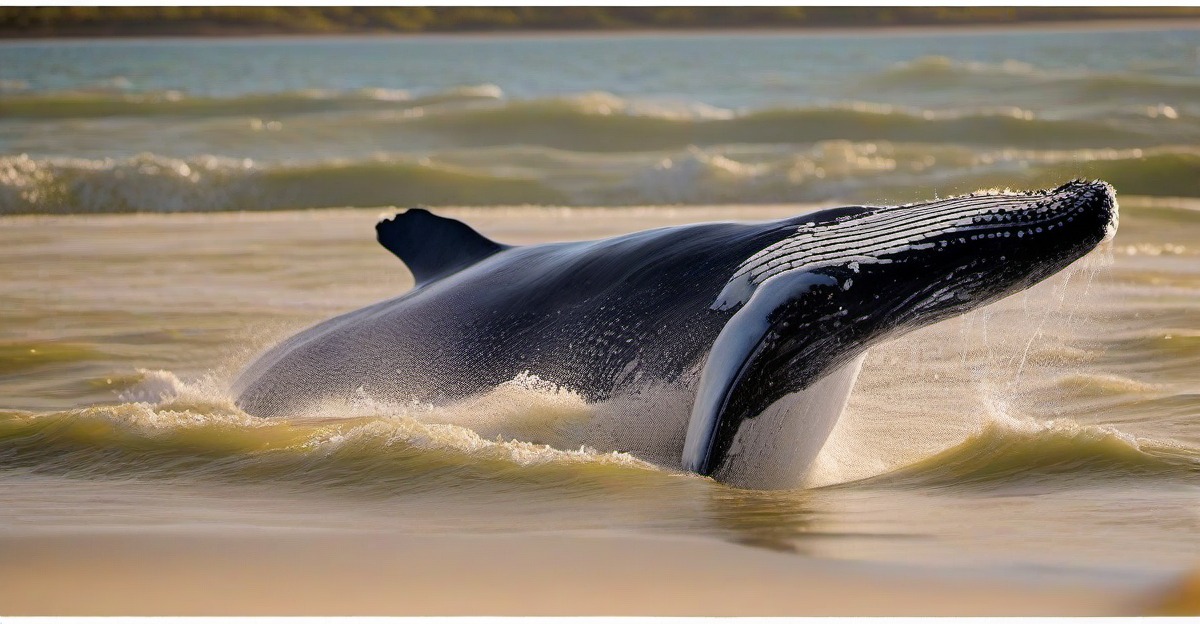
Every year, around 30,000 humpback whales migrate along the east coast of Australia Book the Experience History Onboard The Mary Valley Rattler.. They head north in the cooler months to calve in the warm tropical waters of the Coral Sea, then turn south again with their newborn calves for the long swim to the Antarctic feeding grounds. Hervey Bay sits on the return leg of that journey. The sheltered, shallow waters west of K'gari are a natural pause point, a resting area, and a nursery where mothers spend an average of 11 days before continuing the migration. It is one of the most reliable whale watching locations on the planet, which is why Hervey Bay calls itself the whale watching capital of Australia and the title is not marketing spin.
not marketing spin.The season runs from late June through to mid November, with the busiest window from early August to late September. Each month of the season looks different on the water. The behaviour shifts. The type of encounter changes. The crowds come and go. Picking the right month to book depends on what you actually want to see: mothers and calves, the competitive pods, the tail slaps, or a quieter boat with more time on each animal.
We earn a commission when you book through our links on Viator (PID P00299531), at no extra cost to you.
If you are booking ahead, the simplest starting point is to pick the month that fits the experience you want. The full list of Hervey Bay whale watching cruises is on the Hervey Bay whale watching page on Viator, where you can filter by date and departure time. Most operators run a three-hour format with morning or afternoon departures, and most offer a free return cruise if no whales are sighted on your trip.July: Early Arrivals, Fewer Calves
The first whales typically start arriving in Hervey Bay in late June, with the early July numbers small. By the second week of July the boats are seeing one or two pods a day. These are the early arrivals, mostly younger males and non-pregnant females who are not pushed by the urgency of calving timelines. The mothers with newborn calves are still further north, finishing their time in the warm tropical waters and starting the slow journey south.
July is the shoulder season for whale watching in Hervey Bay. The boats are running. The operators are working. The crowds are thin, which is the point. A cruise in early to mid July means more time on the water per pod, fewer boats competing for the same animals, and a much better chance of a close encounter. The downside is that the encounters are fewer per cruise. A typical July cruise sights one or two pods. A typical August cruise sights three to five.
If you want calm water, fewer crowds, and a quieter boat, early to mid July is excellent. Bookings are usually available a day or two out. The 1 pm departure is rarely full. If you want mothers and calves, wait until August.
August: Mothers and Calves Arrive
August is when the nursery herd shows up. The first mothers with newborn calves begin filtering into Hervey Bay in late July, and by the second week of August they are a daily sight. The calves stay within a body length of the mother, surfacing every two to three minutes to breathe. The mothers log on the surface, resting, while the calves practise rolling, small breaches, and the first tentative tail slaps.
August is also when the morning cruises start to fill up. The 7:30 at the departures book out a week or two in advance. The 1 pm departures hold space for walk-ups in the first half of the month and tighten up toward the end. The water is still on the cool side, which means the whales are often more active. Calves in particular breach more in cooler water, possibly because the muscle activity helps them regulate body temperature.
The federal whale watching guidelines enforce a 100 metre distance from mothers and calves. The operators are strict about this. The captains do not get closer, and you should not ask. A mother defending a calf from a perceived threat is one of the few situations in which an adult humpback will approach a boat, and it is not an encounter you want at close range.
September: Peak Season and Competitive Pods
September is the peak of the season. The mothers and calves are abundant. The competitive pods are running. The boats are at full capacity.
Competitive pods are the showpiece of Hervey Bay whale watching. A group of males chases a single female, often with ten or more animals involved, breaching and tail slapping as they go. The female tries to evade. The males compete with each other through physical contact, ramming, and bubble blasts. The surface behaviour is constant and the energy is unmistakable. You will see this from late August through September, mostly in the morning, and it is the reason a lot of repeat whale watchers keep coming back.
September is also when the boats are busiest. The morning cruises sell out two to three weeks in advance. The afternoon cruises sell out a week out. The 7:30 at the departure is the most popular and the best one for photography. The 1 pm departure is calmer on the water but more crowded on the boat. Book early if you want a specific time slot in September.
This is also the month with the highest sighting rate across the fleet. The industry average runs 98 to 99 percent during peak August and September. A bad day in Hervey Bay, defined as a full cruise with no whales sighted, is unusual enough that the operators write a free return cruise into their terms just to keep bookings flowing.
October: Mothers with Larger Calves, Migration South
By October, the southbound migration is well underway. The mothers with the newest, smallest calves have already left the bay. The mothers still here in October have larger calves, animals that are now three to four months old and starting to display adult behaviour: breaches, tail slaps, and the beginning of more confident movement away from the mother.
October is also when the boats get quieter. The school holidays in southern Australia mean crowds have thinned. The morning cruises still run, but the booking window shortens. A 7:30 at the cruise in early October can usually be booked a week out. A 7:30 at the cruise in late October is often available two or three days out.
The water is at its calmest in October. The wind has typically dropped from the winter pattern into the spring calm. The morning light is still good. The afternoon light is warm. If you care about both photography and comfort, October has the best of both worlds, with the only trade-off being that the heaviest nursery activity has moved on.
November: Last Calves and the Tail End
November is the tail of the season. The last mothers and calves pass through Hervey Bay in early to mid November, and the boats start winding down toward the end of the month. The last week of November is usually the last cruise week of the season, with operators sending the boats out for the final encounters before the annual maintenance window.
The whales you see in November are the last of the migration. The calves are now five to six months old, strong swimmers, and starting to look like miniature adults. The breaches are bolder. The tail slaps are full force. The mothers are starting to wean. It is a quieter season, but the encounters are often extended. The boats have time to stay with a single pod for 40 minutes because no other boat is waiting.
November is the best month for repeat whale watchers. The first-timers have already done their peak-season cruises. The tour boats have thinned out. The whales are still passing through. If you have done Hervey Bay in August or September and you want to see the same migration at a different pace, November is when you go back.
Morning Versus Afternoon Cruises
Morning departures have better light. Afternoon departures have calmer water. Choose morning for photos, afternoon for comfort. The whales do not have a preference either way.
Morning cruises, typically 7:30 at the to 10:30 at the, catch the whales at first light. The blows are visible for kilometres. The light catches the spray. The water is usually a bit choppier in the morning. The boats are also busier in peak season because the photographers book the morning cruises first.
Afternoon cruises, typically 1 pm to 4 pm, run on calmer water. The wind has dropped. The boat moves less in the swell. The downside is that you are looking back toward the sun and the photos of breaching whales come out as silhouettes. Bring a polarising filter if you have one. It cuts the glare on the water and pulls the whales out of the surface reflections even with the sun behind them.
Book a Hervey Bay Whale Watching Cruise
Common Questions
What is the best month for whale watching in Hervey Bay?
Late August through late September is peak season. Mothers and calves are abundant. Competitive pods are running. The sighting rate is at its highest. Early October is the best compromise if you want calm water and thinner crowds.
When do humpback whales arrive in Hervey Bay?
Late June through early July for the early arrivals. Mothers with newborn calves start showing up in late July and run through to early November. The season tapers off in mid November.
Can you see whales in Hervey Bay in July?
Yes. July is quieter than August or September, with fewer pods per cruise and no mothers with newborn calves yet. The early July encounters are mostly younger males and non-pregnant females. Bookings are easier to get.
What time of day is best for whale watching?
Morning for photography, afternoon for comfort. The 7:30 at the cruises have better light and the whales are often more active. The 1 pm cruises run on calmer water and are easier on people who get seasick.
Is there a whale sighting guarantee?
Most Hervey Bay operators offer a free return cruise if no whales are sighted during your trip. The industry sighting rate runs around 98 to 99 percent during peak season. Read the small print before you book, the policies differ slightly between operators.
Experience History onboard The Mary Valley Rattler
The Mary Valley Rattler is one of Queensland’s most iconic heritage steam train experiences, capturing the Gympie region’s rich history while offering visitors
Check availabilityExplore More
Related guides and comparisons: