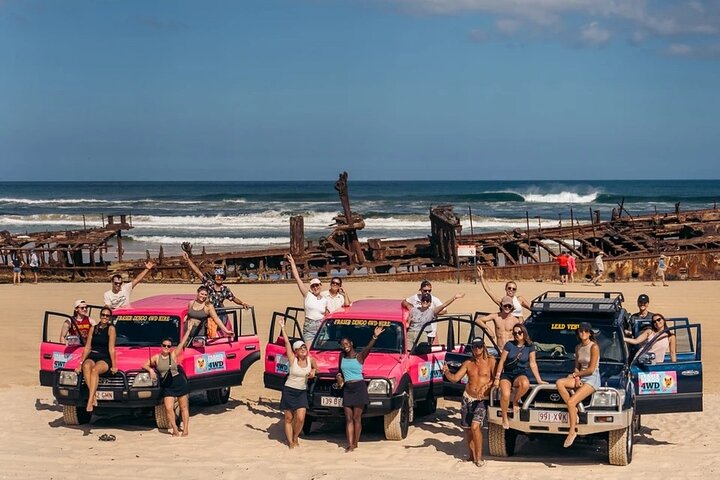
When to Visit Fraser Island, The Honest Month-by-Month Guide
There's no single perfect time, it depends what you care about: weather, price, crowds, and what you want to do on the island. Here's how each month stacks up.
Why this made the cut: Personally researched on Fraser Island. Every recommendation comes from direct experience - no AI summaries, no recycled brochures.
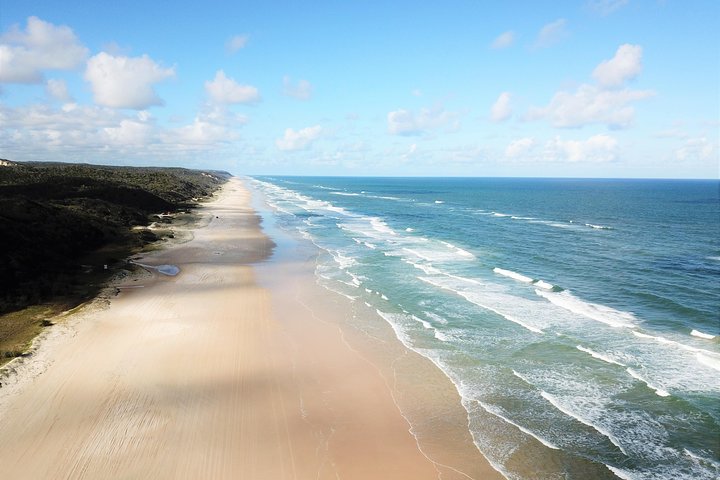
Fraser Island (K'gari) is a year-round destination, but "year-round" hides significant variation. Summer (December–February) brings heat, humidity, afternoon storms, and the highest sand fly activity. Winter (June–August) is cooler, drier, and more comfortable for 4WDing, but the water is too cold for comfortable swimming and some operators reduce schedules. The shoulder seasons, April through June and September through November, are where things align best for most visitors.
See the month-by-month weather breakdown for details on rain, temperature, and conditions by season.
I book all my Fraser Island tours through Viator – their cancellation terms are the best I’ve found.
This guide covers what each month is like: weather, water temperature, typical tour prices, crowd levels, and what you should prioritising packing.
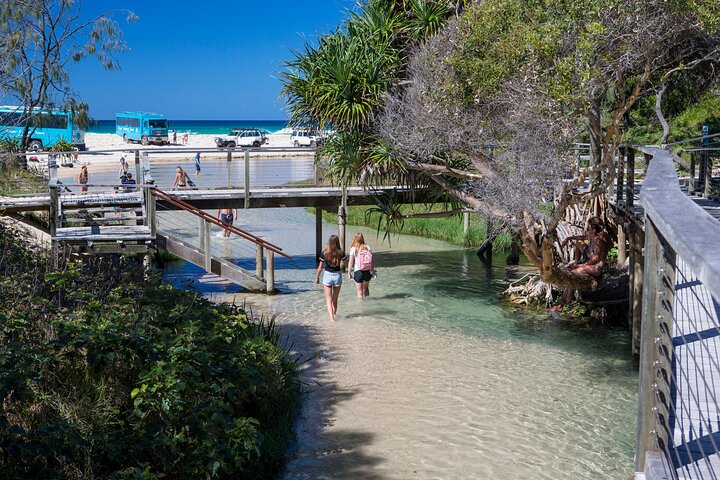
"May 2019 was my best visit to Fraser Island, bar none. The days were warm enough for swimming at Lake McKenzie, 24 degrees in the water, but the air stayed dry and comfortable. No sand flies. The tracks were firm from a week of sun. We had Eli Creek almost to ourselves at 10am on a Tuesday. I remember standing on the boardwalk watching my group float past through the paperbarks and thinking this was the version of K'gari I'd been chasing for years. Every visit since, I aim for May."
Michael Chen, May 2019
At a glance: the 12-month view
| Month | Weather | Water Temp | Crowds | Sand Flies | Verdict |
|---|---|---|---|---|---|
| January | Hot, humid, afternoon storms | 26–28°C | High (school hols) | High | ❌ Skip unless flexible |
| February | Hot, humid, storm risk | 26–28°C | Low (post-hols) | High | 🟡 Budget option, low crowds |
| March | Warm, humid, reducing rain | 25–27°C | Low | Moderate | 🟡 Good value, cooling |
| April | Warm, dry, comfortable | 24–26°C | Low–Moderate | Low | ✅ Excellent, top pick |
| May | Mild, dry, sunny | 22–24°C | Low | Very Low | ✅ Excellent, top pick |
| June | Cool, dry, sunny | 20–22°C | Moderate (Qld sch hols) | Very Low | 🟡 Great for 4WD, cold water |
| July | Cool, dry, sunny | 19–21°C | Moderate | Very Low | 🟡 Good, whale watching starts |
| June | Cool, dry, sunny | 19–21°C | High (NSW sch hols) | Low | 🟡 PEAK whale watching |
| September | Warming, dry, calm | 21–23°C | Moderate | Low | ✅ Great, top pick |
| October | Warm, occasional rain | 23–25°C | Moderate–High | Moderate | 🟡 Good, warming water |
| November | Hot, humid, storm risk | 25–27°C | High (Tints start) | High | 🟡 Whale tail end, storms |
| December | Hot, humid, storms | 26–28°C | Very High (Xmas) | High | ❌ Peak price, peak crowds |
April – June: the best for most people
April through June is Fraser Island at its most comfortable. The humidity of summer has dropped, rain is infrequent, temperatures sit in the low 20s for driving and mid-20s for swimming, and sand flies are at their lowest activity of the year. This is the window most Fraser Island veterans would point you toward, especially for 4WD tag-along tours where you want to be outside the vehicle exploring without worrying about insects.
Water temperature in April and May is still warm enough for swimming without a wetsuit (24–26°C), lake swimming is comfortable, and the island's vegetation is lush from the preceding wet season. Tour prices are lower than peak periods, especially in May, which sits between the Easter and Queensland winter school holiday windows.
What to know: June is the start of the Queensland winter school holidays, usually the last two weeks of June. Accommodation on the Fraser Coast starts to tighten, and some operators charge peak season rates. April and May are quieter and better value.
July – June: whale watching + winter touring
Winter on Fraser Island means cool, dry, stable weather, suitable conditions for 4WD touring. The sand tracks are firm, the beaches are windswept and dramatic, and the island's forests are less humid and more comfortable for walking. The trade-off is water temperature: at 19–21°C, the sea feels cold for swimming. Lake McKenzie is still swimmable, it's freshwater and your body adjusts, but it's not the warm bath you'll get in summer.
July is when humpback whales start arriving in Hervey Bay's Platypus Bay. By June, the whale watching season is in full swing, mothers and calves are present, tours are running daily, and this is the peak window for seeing the whales. If you're combining Fraser Island touring with whale watching, June is the strongest month.
What to know: NSW and Victorian school holidays overlap with June, which means more families on Fraser Island, and accommodation on the Fraser Coast commands a premium. Book your tour and accommodation 3–4 weeks ahead minimum for June weekends.
September – November: the shoulder season sweet spot
September is the single most underrated month to visit Fraser Island. The weather is warm without the heat (daily highs around 25°C), humidity is low, the water is warming back up (21–23°C in September), sand flies are still manageable, and the island is less crowded than the school holiday periods. September and October are when the island transitions from winter into spring, the vegetation is still lush from the wet season, wildflowers start appearing, and the conditions are excellent for 4WDing.
October and November see increasing temperatures and humidity. November is when the first summer thunderstorms begin, usually afternoon storms that clear quickly, but worth planning around. Sand fly activity starts increasing again from October onwards, around dawn and dusk.
What to know: The Easter holiday period (March/April) falls in this window some years, which pushes demand and prices. Anzac Day (April 25) is a long weekend that books out fast. Queensland school holidays in September/October vary by year, check the QLD school holiday calendar before planning.
December – February: summer on K'gari
Summer on Fraser Island is hot, humid, and beautiful, and challenging to visit comfortably. Daytime temperatures routinely hit 30–35°C in January and February, the humidity is high, and afternoon thunderstorms are common from November through March. The storms don't usually last long, an hour or two of heavy rain and lightning, but they can interrupt afternoon touring plans.
The upside: summer is when the island is at its most lush and alive. The lakes are full, the waterfalls are flowing, and the island's rainforest is at its greenest. Water temperature peaks at 26–28°C in January and February, warm, swimmable without hesitation.
December through February is also when sand fly activity is highest. These small biting insects are present year-round but peak in the warmer months, at dawn and dusk around still water. If you're sensitive to sand flies, summer is when you'll notice them most.
"January 2017 was the trip I should have cancelled. I'd booked a 3-day tag-along for the second week of January, thinking the school holiday crowds would have thinned. They had not. Lake McKenzie felt like a public pool. The sand was soft from afternoon storms that rolled in every day at 3pm, turning the tracks into a slow, churning crawl. Humidity sat above 80 percent the whole time. We still saw the island, but we earned every stop. Lesson learned: January is for people who have no other choice. I had a choice, and I picked wrong."
Michael Chen, January 2017
What to know: Australian school holidays run mid-December through early February. This is peak Fraser Island season, the most crowded time, the highest accommodation prices, and the period when tours book out earliest. If you must travel in December or January, book 6–8 weeks ahead. February after the school holidays end (usually from mid-February onward) is a genuine budget option, lower prices, fewer people, though heat and storms remain.
A note on sand flies on Fraser Island
Sand flies (also called biting midges) are small, 2–3mm, and their bites are disproportionately itchy for their size. They're most active around dawn and dusk and near still freshwater. The practical steps: bring a strong insect repellent (anything with DEET or picaridin), cover up during peak activity windows, and don't sleep with windows open without a net. Most people who get bitten badly are those who underestimated the dawn/dusk windows. Sand flies are not present everywhere on the island, they're concentrated around specific habitats and almost absent on the beach exposures.
"Shoulder seasons have tradeoffs, and October 2021 taught me what they are. The weather was warming nicely, 27 degrees most days, and the water was swimmable again after winter. But the sand flies were back. Not terrible, not summer levels, but enough that sunset at the campsite meant long sleeves and a cloud of repellent. The other tradeoff: October sits between two school holiday blocks, so some operators run reduced schedules. One tour I wanted was not available midweek. The shoulder months give you good conditions at lower prices, but they also give you the gaps between demand. Check what's running before you commit."
Michael Chen, October 2021
Common questions
What is the best to visit Fraser Island?
September through November for most visitors, warm without the summer heat, lower humidity, and fewer sand flies than summer. April and May are also excellent shoulder-season options.
When is Fraser Island cheapest to visit?
Outside Australian school holidays, February (after summer holidays) and May (minus Easter). Shoulder seasons offer the best of lower prices and good conditions.
What are the worst months for sand flies on Fraser Island?
November through April, summer months bring the highest sand fly activity, especially around dawn and dusk. Winter months (June–August) have fewer sand flies.
Can you visit Fraser Island in winter?
Yes, winter (June–August) is one of the best for 4WD touring. Cooler temperatures, minimal rain, reduced sand flies, and clear skies make for excellent driving conditions. Water temperature is cooler for swimming but the lake is still swimmable.
When do whales arrive at Hervey Bay?
Humpback whales arrive in Hervey Bay from July, with peak season June and September, mothers stop in Platypus Bay to let their calves rest before continuing south. Whale watching tours run July through October/November.
You might also like
4WD Tag-Along on Fraser Island
The signature Fraser Island experience, follow a lead vehicle in your own 4WD, guided across the island. Lake McKenzie, 75 Mile Beach, Eli Creek, and the Maheno shipwreck in one trip.
Hervey Bay Whale Watching
Peak season July–November. Hervey Bay is a humpback nursery, mothers stop here to let their calves rest. The kind of close encounters you rarely get elsewhere on the Australian coast.
Fraser Island Day Tours
If you don't have time for a multi-day tour, or don't have a 4WD, day tours from Hervey Bay or Rainbow Beach cover the island's main points in a single hit.
Not sure whether to depart from Hervey Bay or Rainbow Beach? See the full comparison.
Transparency: We may earn a commission at no extra cost to you when you book through our links. This is how we keep the site free. We only link to products we'd confidently point a friend toward, but you're always free to do your own research.
Official info: QPWS Fraser Island information · Always check QLD Parks Fraser Island for current access conditions before booking.
Is This timing right for you?
✓ This timing is a good fit if…
- You want to plan around Fraser Island's distinct wet and dry seasons
- You're combining your trip with whale watching (Jul–Nov)
- You prefer cooler, drier weather for hiking and 4WDing
- You want fewer crowds and are flexible with dates
✗ Look elsewhere if…
- You can only travel during the wet season (Dec–Feb) and aren't prepared for rain
- You expect the island to be equally accessible year-round – it's not
- You're a last-minute booker during peak season (Jul–Sep fills up fast)
- You think winter = cold swimming – Lake McKenzie is swimmable year-round
Explore More
Related comparisons and guides: